
Issues
HIV Prevention, Treatment, and Destigmatizing
Advocates works with young people to raise HIV awareness by ensuring every young person has access to HIV education, HIV prevention strategies and tools, and HIV treatment and care options. We are working to end HIV stigma and stop the criminalization of HIV, and to ensure young people living with HIV have access to housing and physical and mental health care. Advocates also works to improve young people’s access to PrEP and condoms.
CommuniTea
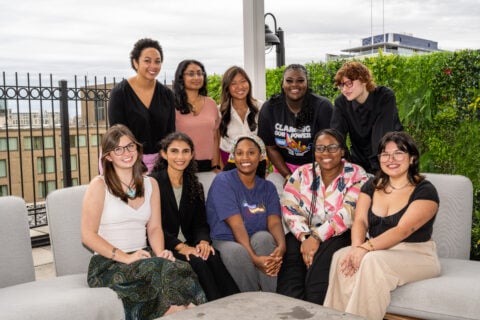
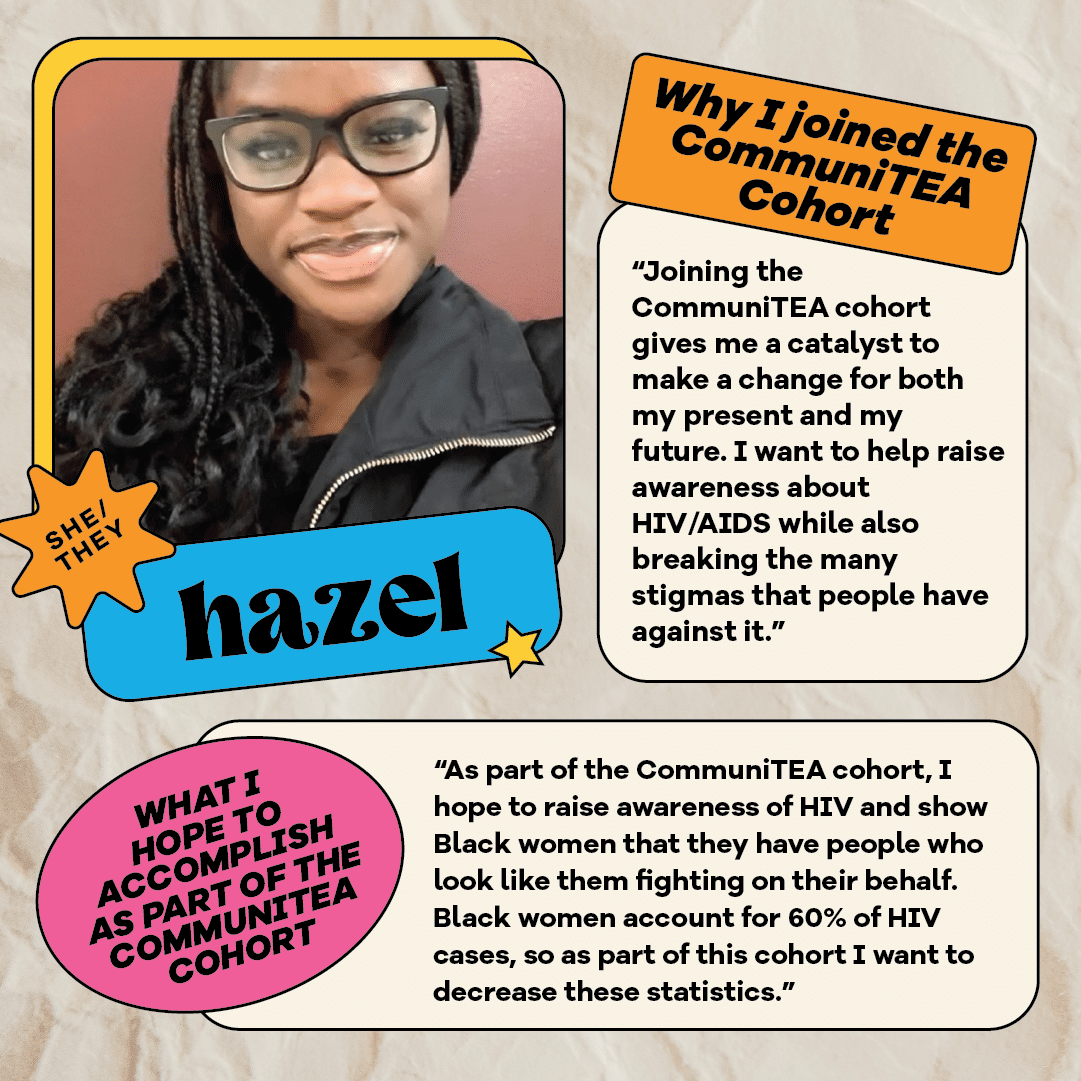
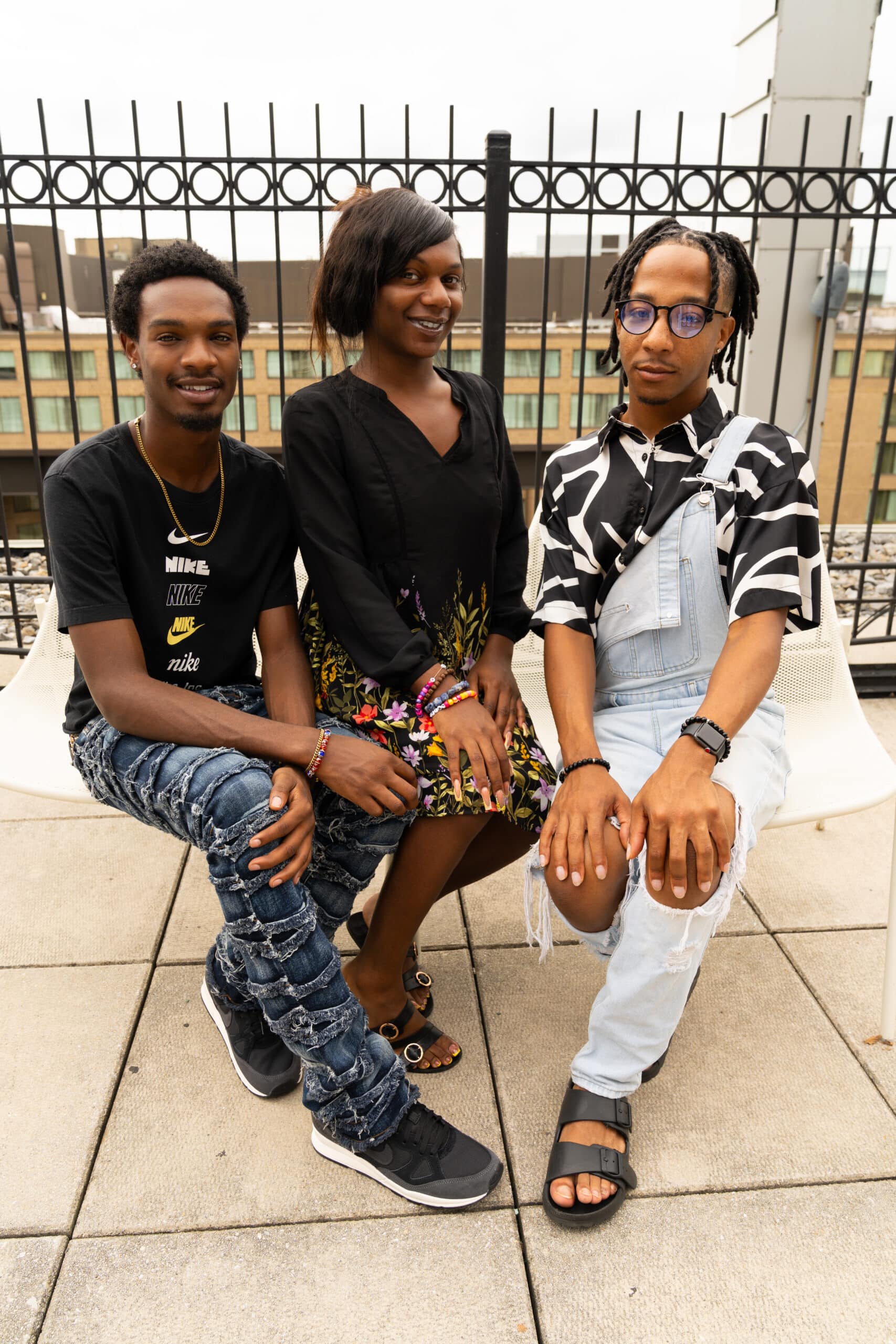
CommuniTea is a project with ViiVHealthcare to engage Black women and girls, of cis and trans experience, in ending the HIV/AIDS epidemic. This collective of youth activists lead HIV advocacy on campus and in their communities, centering the experiences and raising awareness about the impact HIV/AIDS has on young Black women and girls.



“I tested positive for HIV just two years ago. A year after my diagnosis, I started working in HIV health services and advocacy. Working in HIV care as a newly diagnosed person has allowed me to see the world from a completely different perspective and to confront barriers to health care and HIV education, and the impact of stigma.”
Mars
Engaging Communities around HIV Organizing (ECHO)
Advocates recruits, trains and supports a cohort of young people living with HIV to serve as leaders in the fight to end HIV stigma and criminalization. ECHO leaders recognize HIV’s disparate impact on young people of color, including Black and Latino young men who have sex with men and transgender youth of color. Members use social media campaigns, peer education, storytelling, and media outreach to raise awareness of the interconnection between HIV disparity, racism, homophobia, and transphobia and advocate for the inclusion of youth most impacted by HIV at decision-making tables.
Policy Priorities
We must end laws that stigmatize and criminalize people living with HIV, and ensure that every young person living with HIV is cared for and valued. Advocates is also working to ensure HIV funding is protected and expanded, and for youth inclusion in the National HIV & AIDS Strategic Plan.
For Adult Allies
Get Your Life
Get Your Life is a seven-session group-based HIV prevention facilitation guide designed for Black and Latino young men who have sex with men ages 14-19 years old. Following a pilot program that included three large school districts and over 200 Black and Latino youth, Get Your Life is an engaging, inclusive, and culturally- responsive HIV/STI prevention program made by and for Black and Latino Young men.
Featured Resources
Help raise HIV awareness and join youth activists and youth allies working to create a world that is just, safe, and healthy for all.
Medical Mentorship Toolkit
Advocates for Youth has partnered with young people living with HIV, pediatric and adult care providers, and AIDS service organizations to design Medical Mentorship, a guide focused on supporting young people living with HIV to smoothly transition to and navigate adult care.
Rights, Respect, Responsibility, a K-12th Grade Comprehensive Sexuality Education Curriculum.
This K-12 comprehensive sex education curriculum is fully mapped to the National Sexuality Education Standards, covers all 16 topics deemed essential by the Centers for Disease Control and Prevention, is LGBTQ-inclusive, trauma informed and culturally responsive. Over 13,000 educators have downloaded 3Rs. 3Rs has been adapted for use in 13 states and more than 500 school districts across the country, reaching millions of young people with sex education that meets the National Sexuality Education Standards.
Virtual PD
Virtual PD is a simulated environment (classroom, health care exam room and office) where professionals can practice with youth avatars using short scenarios and support from an instructional coach, so they can quickly learn and master the skills they need to be effective.
AMAZE
Advocates for Youth is the lead partner on AMAZE, a YouTube channel and educational website filled with short, animated videos and other resources designed to provide adolescents around the globe with medically accurate, age-appropriate, affirming, and honest sex education they can access directly online—regardless of where they live or what school they attend. AMAZE has 300+ videos on topics such as contraception, menstruation, deciding when/if to have sex, building healthy relationships, mental health and anxiety, and more common topics around puberty.

Our Campaigns
-

Youth Abortion Support Collective
Youth Abortion Support Collective
A nationwide network of young people committed to being abortion access resources in their communities and supporting folks getting the care they need.
-

The Busybodies Club
The Busybodies Club
Introducing The Busybodies Club: a national long-term campaign to educate young people on sexual health and reproductive rights topics.
-

Save HIV Funding
Save HIV Funding
Advocates is one of many organizations working to ensure vital HIV funding isn’t cut from the federal budget.
-
SexEducate Us
SexEducate Us
Sex Educate US is a grassroots movement of youth in Minnesota, Alabama, and Nevada advocating for accurate and inclusive sex education. Young people have the right to lead healthy lives. We need s…
-

Route 2 Repro
Route 2 Repro
Youth activists in Brownsville, Texas, are working to fund fund a ride-share program that gives free transportation to clinics offering birth control, STI testing, prenatal care, and more.
-
MuslimAnd
MuslimAnd
#MuslimAnd is a campaign that expands common ideas of who Muslims are in schools and communities, and on social media.
-
Hope in a Box
Hope in a Box
We equip K-12 educators with LGBTQ-inclusive curricula, training, and mentorship. Together, we use literature to cultivate empathy and ensure every LGBTQ student feels safe, welcome, and included at s…
-
NYHAAD
NYHAAD
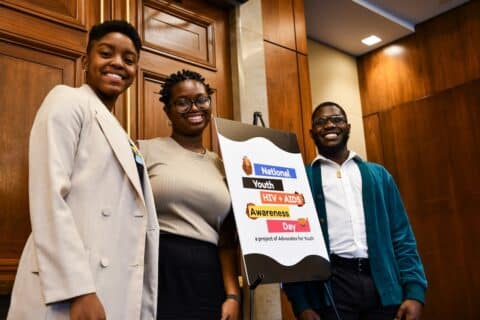
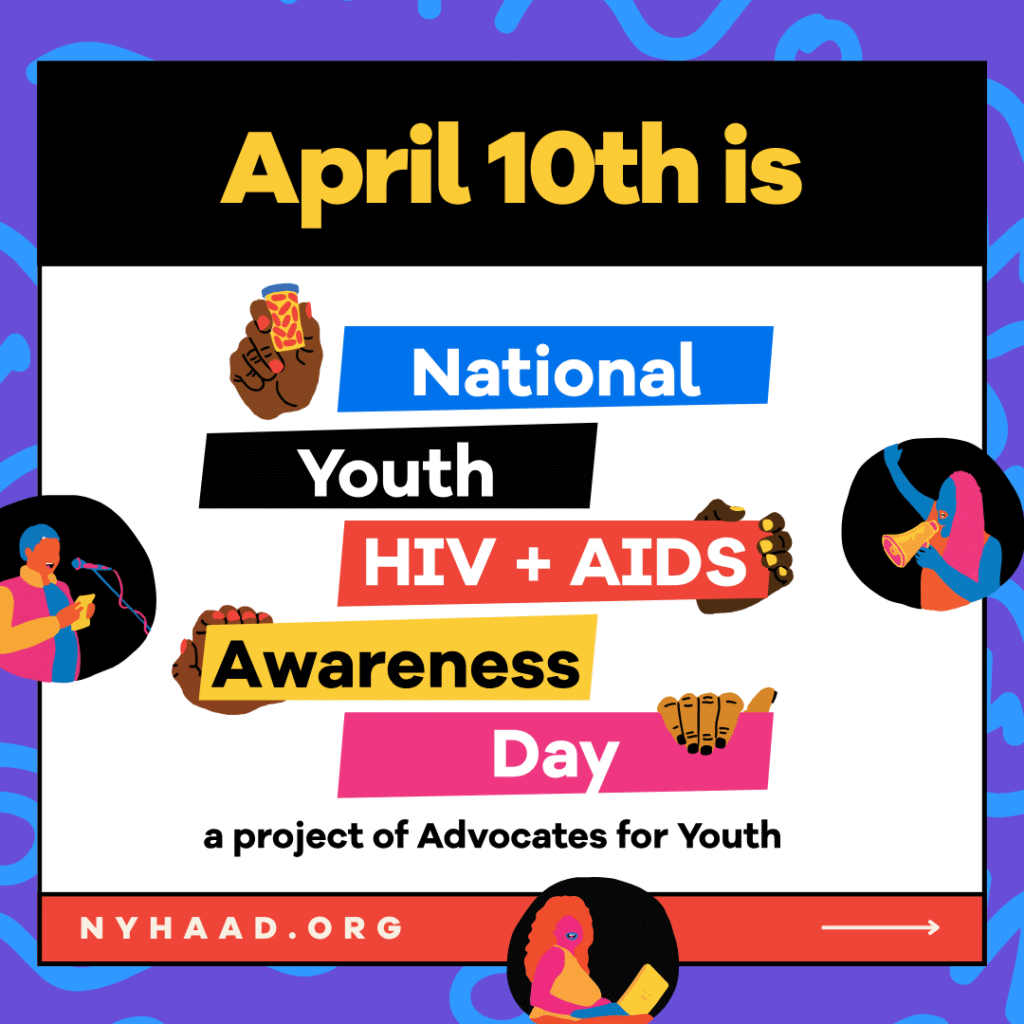
National Youth HIV & AIDS Awareness Day (NYHAAD) is commemorated annually on April 10th to urge policymakers and the public to take action regarding the impact of HIV and AIDS on young people.
-
YWOC Collective
YWOC Collective
As a member of the YWOC Collective, you will get a monthly newsletter for feminists of color, have exclusive access to organizing webinars, trainings, leadership development opportunities, and campaig…
-
Youth Testify
Youth Testify
Youth Testify, a partnership between Advocates for Youth and We Testify, is a group of young people who share their abortion stories to fight for access, build empathy, and end stigma.
-
Act Out
Act Out
A national network of young people fighting back against LGBTQ attacks.
-
My Story Out Loud
My Story Out Loud
A digital storytelling project dedicated to uplifting the narratives of LGBTQ+ youth of color and young people living with HIV
-
The Youth Activist Collective
The Youth Activist Collective
Youth Activist Collective is a network of thousands of young people across the country who advocate for inclusive sex education, LGBTQ rights, abortion access, & more. You can sign up at any time.
-

Know Your IX
Know Your IX
Know Your IX is youth- and survivor-led project of Advocates for Youth empower students to end gender-based and sexual violence in schools.
-
Free The Pill
Free The Pill
Youth activists are working so that all young people have affordable, accessible contraception.
-

EC Access Network
EC Access Network
Join a national network of college students working to get young people the emergency contraception (EC) they need.
-
Abortion on Campus
Abortion on Campus
Activists leading the Abortion On Campus project on their campuses host abortion speakouts, lead public education campaigns and work with campus, local, and state officials to strengthen young people’…
-
The Condom Collective
The Condom Collective
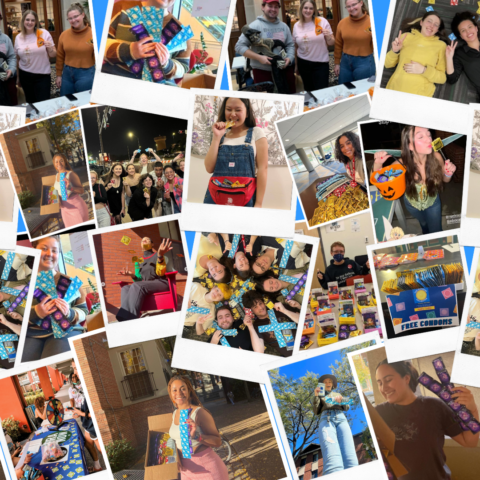
Condom Collective members give out one million+ Trojan™ Condoms on college campuses across the United States.